Timeline
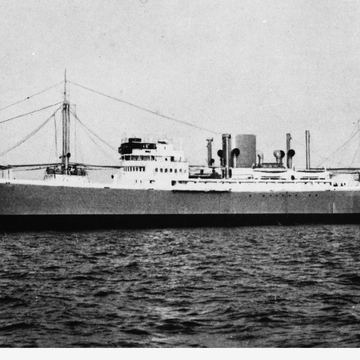
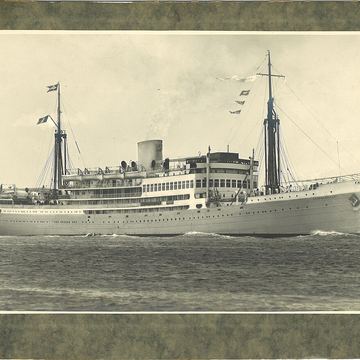
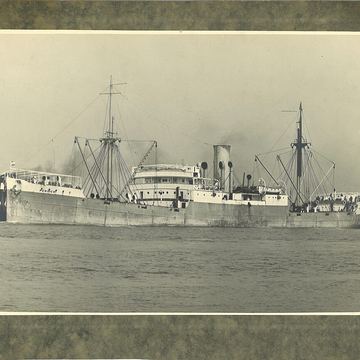
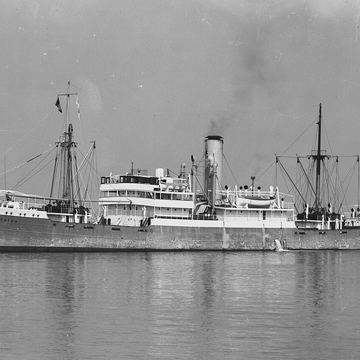
Scroll through the war. Each ship stands on the day she was lost or attacked; follow the link for her crew list.
1939
3 September 1939
Britain and France declare war on Germany
Belgium stays neutral. The sea does not: twelve days later the Alex van Opstal strikes a mine.
1940
21 February 1940
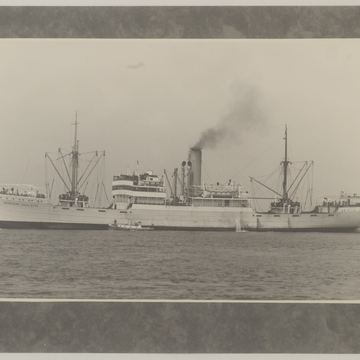
The training ship Mercator leaves Ostend
Seventy-five aboard for a voyage of four months. For most of them it became six years, and for the ship seven.
10 May 1940
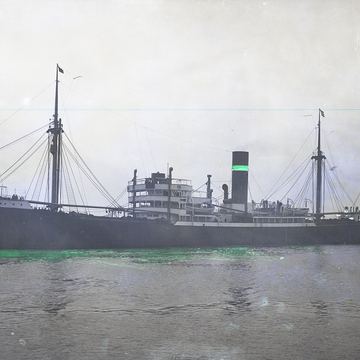
Germany invades Belgium, the Netherlands and Luxembourg
The next day the Belgian Shipping Advisory Committee is set up at the London embassy, with oversight of every Belgian ship beyond German reach.
17 May 1940
The merchant fleet is requisitioned
The order goes from Brussels to London and from there to consuls around the world. The ships now sail for the government, not for their owners.
28 May 1940
The Belgian army capitulates
The ports are occupied. Anyone at sea can no longer go home.
1 June 1940
The Mercator reaches Banana in the Belgian Congo
After the capitulation Commandant Van de Sande sails for the only Belgian soil left. The ship would lie there for nearly three years.
4 June 1940
The Dunkirk evacuation ends
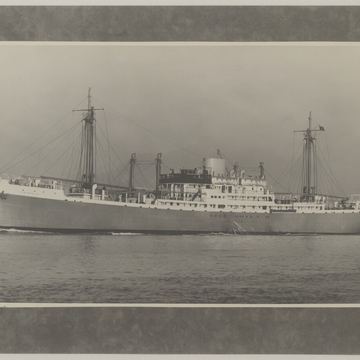
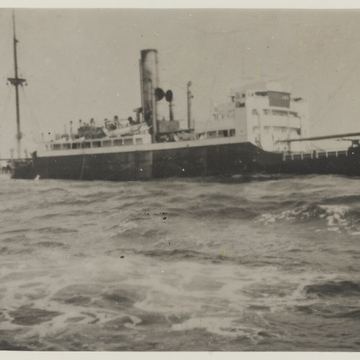
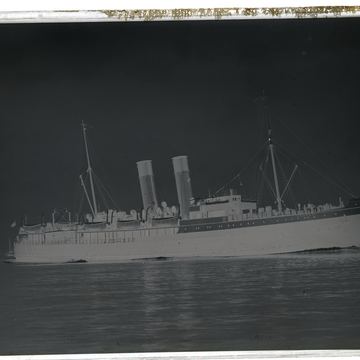
A week later four Belgian ships lie on the bottom off the Normandy coast, three of them on the same day.
October 1940
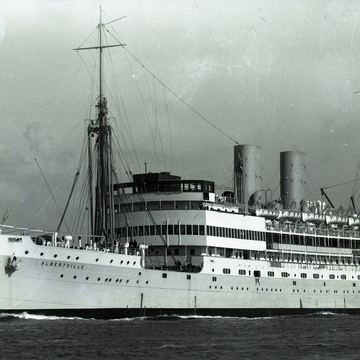
The government establishes itself in London
Prime Minister Pierlot had declined the British offer of 20 June. For five months the fleet was run by a committee at the embassy.
November 1940
The Belgian Marine is formed
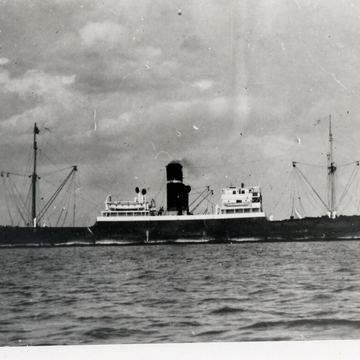
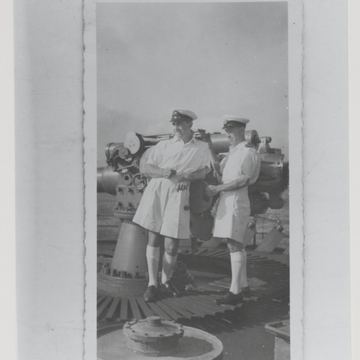
The army loans men to work the guns on the merchant ships. They are trained at Liverpool and sail with them from now on.
1941
7 December 1941
Pearl Harbor: the United States enters the war
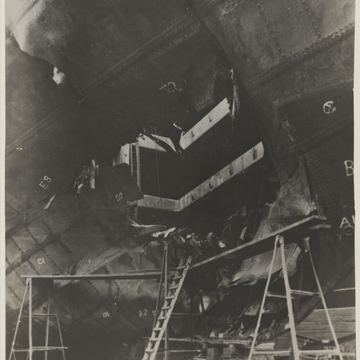
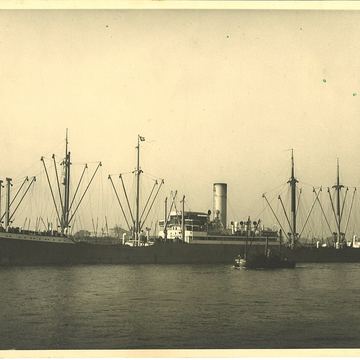
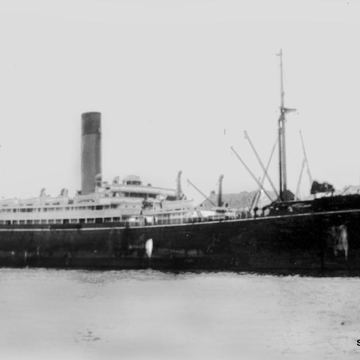
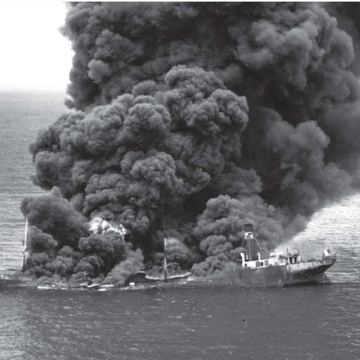
The U-boats move their hunting to the American east coast. 1942 becomes the year of the heaviest losses among crews.
1942
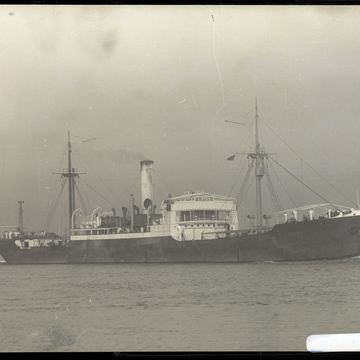
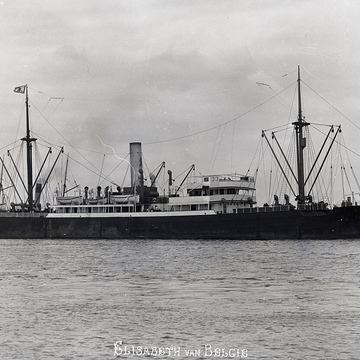
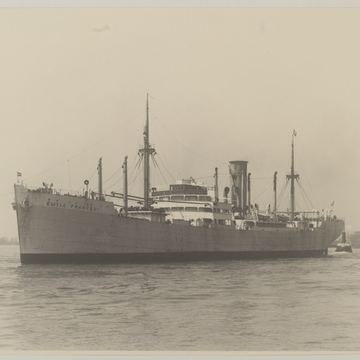
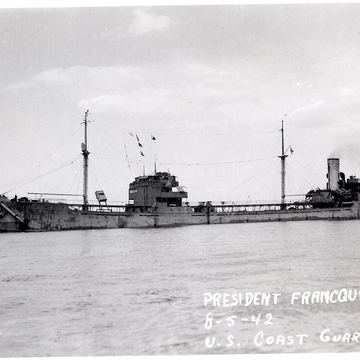
1943
8 February 1943
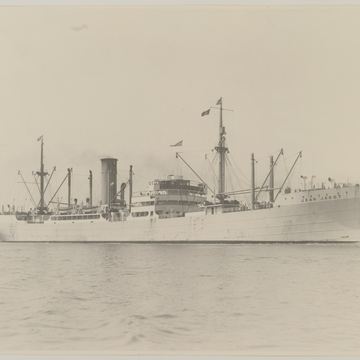
The Mercator becomes H.M.S. Mercator
Chartered by the British Admiralty she enters Freetown and comes under the White Ensign, as a rest ship for submarine crews.
24 May 1943
The U-boats leave the North Atlantic
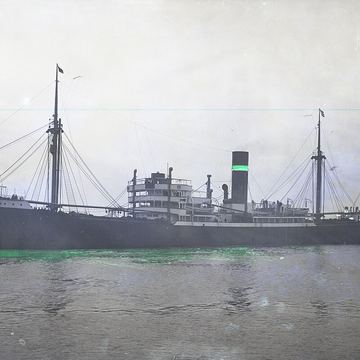
After that month’s losses Dönitz withdraws his boats. From here the losses in this timeline noticeably thin out.
1944
6 June 1944
D-Day: Operation Overlord
Three Belgian ships take part: the Belgique, the Julia and the Marcel.
4 September 1944
Antwerp liberated
The port falls into Allied hands almost undamaged, but the Scheldt below it is still German and full of mines.
28 November 1944
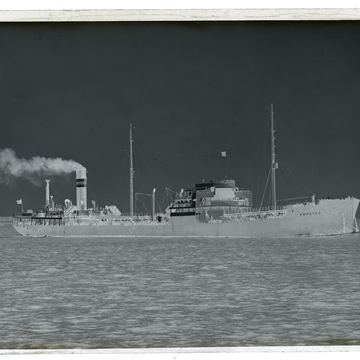
The first convoy enters Antwerp
After the Battle of the Scheldt and the sweeping of the river, the port is at last open to supply the Allied armies.
16 December 1944
The Ardennes offensive begins
American troops are needed at the front in a hurry. Eight days later the Leopoldville crosses the Channel with more than two thousand soldiers.
1945
8 May 1945
German surrender
The war at sea does not end with it: the last ship in this timeline is lost in July.
1947
18 January 1947
The Mercator comes home
In tow of the deep-sea tug Empire Mary the training ship sees the Scheldt again, a hulk. Seven years after a voyage planned for four months. She is the last Belgian merchant ship to come home from this war.